
School bus
Dark mornings and cold weather: refresh the school bus stop routine
A seasonal check can keep the waiting place visible, the walking path usable, and closure or delay messages clear for families.
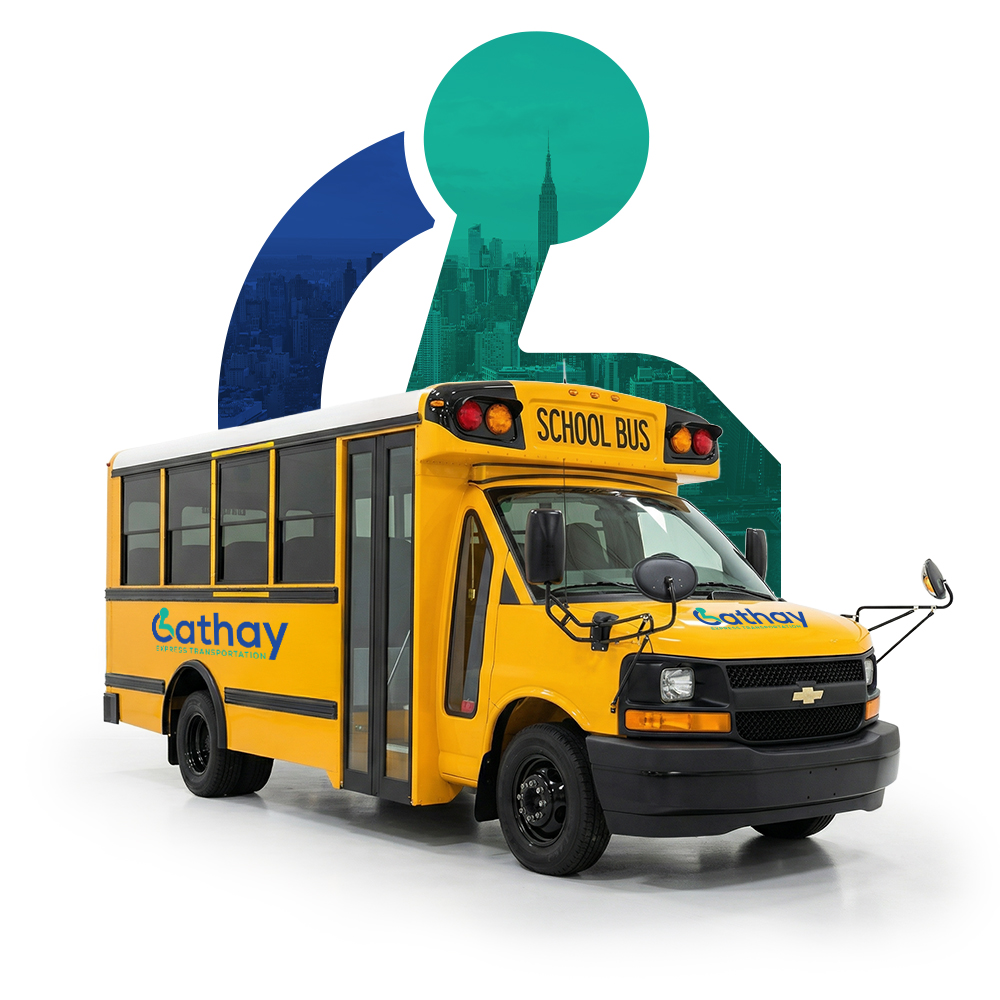
As daylight and weather conditions change, a familiar school bus stop can feel different. Darkness, wet leaves, snowbanks, parked vehicles, and winter clothing may affect visibility and the walking path. Families should review the approved stop routine and report changed conditions through the school or district’s process.
Look at the approved stop at the actual travel time
Visit the walking path and waiting area near the morning pickup and afternoon drop-off times. Check lighting, sight lines, sidewalks, crossings, drainage, and places where students can wait away from traffic.
NHTSA notes that visibility should be considered from the perspectives of motorists, the school bus driver, and students. Winter darkness and obstructions can change what each person can see, even when the stop location itself has not moved.
Further readingNational Highway Traffic Safety Administration: Planning for Safety (opens in a new tab)Keep the student at the designated waiting place
Review where the student waits and how they approach the bus. NHTSA advises students to arrive before the bus, remain away from the curb, wait for the bus to stop and the driver to indicate it is safe, and avoid walking behind the bus.
Cold or rain is not a reason to wait in an unapproved location that the driver cannot see. If shelter or a nearby doorway affects visibility, ask the school or transportation office for guidance rather than changing the stop routine independently.
Further readingNational Highway Traffic Safety Administration: School Bus Safety (opens in a new tab)Dress for visibility and safe movement
Choose weather-appropriate clothing and footwear that allow the student to walk and use the handrail safely. Bright or reflective elements can improve visibility at dawn, dusk, or in snow.
NYSDOT advises children to use extra caution in winter, avoid waiting at the roadway edge, and use brightly colored or reflective clothing where visibility is reduced. Families should also consider whether bulky items interfere with the student’s ordinary boarding routine.
Further readingNew York State Department of Transportation: Winter Safety for Children (opens in a new tab)Know where official delay and closure messages appear
Confirm whether the school or district uses calls, texts, email, an app, or a website for weather changes. Keep contact information current and distinguish a school closing from a route-specific delay or transportation update.
Do not rely solely on neighborhood chat messages. If no official update has arrived, use the designated school or transportation contact. Drivers should not be pressured to make an unofficial stop or route change during poor conditions.
Report new obstructions promptly
Tell the school or transportation office about snowbanks, construction, flooding, fallen branches, missing lighting, or other conditions affecting the approved path or waiting area. Provide the exact location and time observed.
Continue using only the confirmed instructions unless the responsible authority communicates a change. Contact Cathay to discuss school transportation operations and seasonal communication workflows.
Your next step
Discuss seasonal school transportation
Connect with our team to discuss your needs and the available arrangements.