Transit system planning 3 min read
Explain a proposed transit change in terms of real journeys
Help riders understand what would change, what is still undecided, and how their feedback can inform the proposal.
Read the guide
The Cathay journal
Practical guidance for passengers, families, schools, and the agencies keeping our communities connected.
Company news & community72 guides · All services
Transit system planning 3 min read
Help riders understand what would change, what is still undecided, and how their feedback can inform the proposal.
Read the guideOperations & management 3 min read
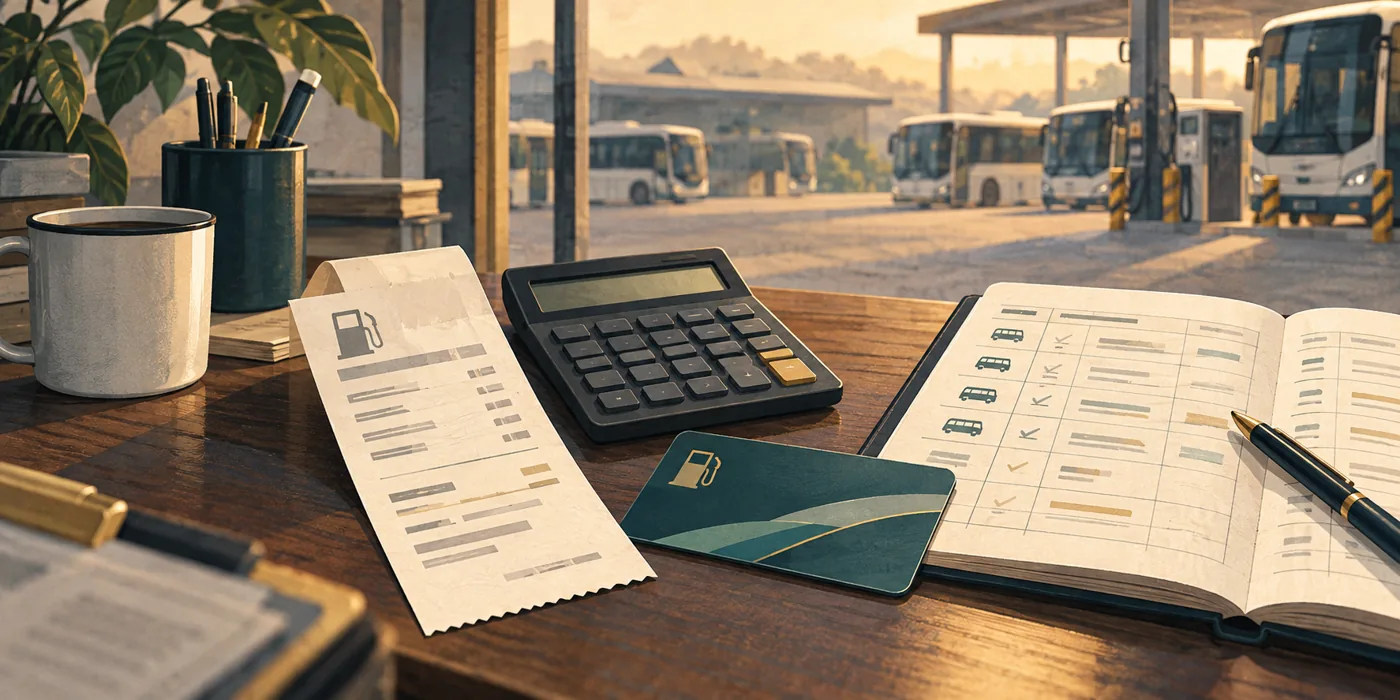
Match fuel transactions to vehicles and operating records, investigate exceptions, and keep corrections traceable.
Read the guideStretcher 3 min read
Coordinate the clinic's reception arrangements, appointment timing, and return journey before transport is booked.
Read the guidePublic transit 3 min read
Use a low-pressure rehearsal to identify the stops, walking connections, and questions that matter on the actual travel day.
Read the guideParatransit 3 min read
Verify whether a subscription trip will run, whether the destination is open, and what needs a separate reservation.
Read the guideSchool bus 3 min read
Prepare a current, controlled route brief that helps an assigned substitute find approved stops and resolve questions through the right office.
Read the guideAmbulette 3 min read
Find out whether the chair will stay at the workshop and confirm the passenger's return arrangements before booking transportation.
Read the guideLivery & ambulatory 3 min read
Agree on booking confirmations, arrival messages, and a backup contact before a prebooked passenger trip.
Read the guideLivery & ambulatory 3 min read
A practical way to identify the ride, describe the missing item, and arrange a confirmed return without disrupting another trip.
Read the guideAmbulette 3 min read
Coordinate the outward ride, overnight belongings, destination access, and the return booking before a visit begins.
Read the guideStretcher 3 min read
Use a simple inventory and named contacts so bags, documents, and personal items have a clear plan alongside the passenger.
Read the guidePublic transit 3 min read
Choose a payment method, check the operator's current rules, and keep a simple plan for transfers and payment questions.
Read the guideSchool bus 3 min read
A working checklist for the trip lead, school office, and transportation coordinator, from the destination entrance to the return deadline.
Read the guideTransit system planning 3 min read
Evaluate arrival patterns, walking time, departure reliability, and downstream effects before coordinating routes around a transfer point.
Read the guideOperations & management 3 min read
Turn a service comment into a traceable operational task with a clear record, responsible person, and useful response.
Read the guideParatransit 3 min read
Understand visitor eligibility, contact the destination system, and confirm the actual trips before relying on paratransit during a visit.
Read the guideLivery & ambulatory 2 min read
A new appointment time can affect pickup, vehicle availability, authorization, contacts, building access, and the return ride.
Read the guideAmbulette 3 min read
Confirm the event entrance, wheelchair route, companion, belongings, ending time, and return pickup before the gathering begins.
Read the guideStretcher 2 min read
A weather-day plan should cover access, readiness, road conditions, contacts, rescheduling authority, and the non-emergency distinction.
Read the guideSchool bus 2 min read
After-school activities, tutoring, sports, and early dismissals need an approved pickup, authorized rider list, contact, and backup plan.
Read the guideParatransit 3 min read
The distinction can affect eligibility records, reservations, fares, and the number of people traveling with an ADA paratransit rider.
Read the guidePublic transit 2 min read
Route numbers can have branches, short turns, directions, and destination signs that change which bus serves the full trip.
Read the guideOperations & management 2 min read
A structured response should protect passengers, establish command, arrange replacement service, control information, and document follow-up.
Read the guideTransit system planning 2 min read
Agencies need a clear window, timepoints, data rules, early-departure policy, and reporting method before comparing routes or operators.
Read the guideLivery & ambulatory 3 min read
A building name is not always enough. Confirm the correct entrance, curb, department, contact, and return pickup point before the ride.
Read the guideAmbulette 3 min read
A practical checklist for wheelchair readiness, departure paperwork, building access, contacts, and the return trip from a facility.
Read the guideStretcher 3 min read
Longer scheduled transfers need a complete route, realistic timing, access details, responsible contacts, and a confirmed receiving plan.
Read the guideSchool bus 3 min read
A seasonal check can keep the waiting place visible, the walking path usable, and closure or delay messages clear for families.
Read the guideParatransit 3 min read
A shopping trip works better when the rider confirms the entrance, return reservation, carrying plan, and what can travel safely.
Read the guidePublic transit 3 min read
Check the service day, direction, timepoints, footnotes, transfer needs, and last return before relying on a printed or online schedule.
Read the guideOperations & management 2 min read
A short, structured pre-service check can surface vehicle, staffing, route, communications, and open-issue gaps before daily operations begin.
Read the guideTransit system planning 2 min read
A service-span review connects first and last trips to work shifts, appointments, transfers, community destinations, and operating tradeoffs.
Read the guideLivery & ambulatory 3 min read
A practical way to confirm pickup access, readiness, contacts, and the return plan when the day begins before normal business hours.
Read the guideAmbulette 3 min read
What to report about the mobility device, pickup access, controls, and trip changes before a planned wheelchair transportation ride.
Read the guideStretcher 3 min read
A room-by-room access review can identify doors, turns, stairs, elevators, and receiving details before planned non-emergency stretcher transportation.
Read the guideSchool bus 3 min read
How families, schools, and transportation teams can raise and evaluate a stop-change request using clear, route-specific information.
Read the guideParatransit 3 min read
A practical trip-day checklist for the meeting point, vehicle boarding, destination access, and return ride when traveling with a service animal.
Read the guidePublic transit 3 min read
How to review station access, outages, alternate routes, and the return journey before traveling through an unfamiliar transit system.
Read the guideOperations & management 3 min read
A focused handoff record helps transportation teams transfer responsibility for active trips, vehicle issues, staffing changes, and promised follow-up.
Read the guideTransit system planning 3 min read
A map-based proposal should be checked on the street for access, operations, visibility, transfers, and rider impact before a stop changes.
Read the guideLivery & ambulatory 3 min read
How to coordinate a day with more than one appointment without leaving the trip between buildings or the ride home unresolved.
Read the guideAmbulette 3 min read
What passengers and accompanying family members should confirm about seating, assistance, appointment access, and the return journey.
Read the guideStretcher 3 min read
The trip details to gather before asking about a planned non-emergency stretcher transfer, and the questions that clarify what an estimate includes.
Read the guideSchool bus 3 min read
How families and schools can organize practical communication and support information through the student’s approved transportation process.
Read the guideParatransit 3 min read
How to identify the affected trip, use the program’s cancellation process, and keep the rest of the day’s reservations clear.
Read the guidePublic transit 3 min read
Turn a detour or stop-change notice into a practical travel plan by checking its dates, direction, affected stops, and return-trip implications.
Read the guideOperations & management 3 min read
Why agencies and operating partners need a shared vehicle-status record, clear ownership, and an explicit return-to-service process.
Read the guideTransit system planning 3 min read
How agencies can define a service trial’s purpose, baseline, measures, and decision process before the first departure.
Read the guideLivery & ambulatory 3 min read
A practical coordination plan for adult children booking a parent’s appointment transportation from another neighborhood or another city.
Read the guideAmbulette 3 min read
How to discuss doors, elevators, pickup entrances, and temporary access changes before a wheelchair transportation trip.
Read the guideStretcher 3 min read
A coordination guide to receiving contacts, arrival locations, and handoff arrangements for planned non-emergency stretcher transportation.
Read the guideSchool bus 3 min read
A simple communication routine for school absences, parent pickups, and days when a student will not use the usual bus trip.
Read the guideParatransit 3 min read
Questions to settle before reserving a trip to an unfamiliar building, appointment location, or community destination.
Read the guidePublic transit 3 min read
How to review connection times, stop locations, fares, and the return journey before making a trip that uses more than one bus.
Read the guideOperations & management 3 min read
A practical meeting structure for agencies and operating partners reviewing service delivery, recurring issues, and agreed follow-up actions.
Read the guideTransit system planning 3 min read
How practical questions about destinations, travel times, and barriers can help a service planning study produce clearer choices.
Read the guideLivery & ambulatory 3 min read
How to coordinate return transportation when an appointment runs late, a facility has discharge requirements, or a family member is arranging the journey remotely.
Read the guideAmbulette 3 min read
What patients, facilities, and caregivers should coordinate for repeat dialysis, rehabilitation, and other appointment trips—and how to handle changes.
Read the guideStretcher 3 min read
A guide to the questions families and facilities should ask when choosing the appropriate transportation level for a planned journey.
Read the guideSchool bus 3 min read
A practical approach to school moves, early dismissals, new equipment, and caregiver changes for students who need additional transportation support.
Read the guideParatransit 3 min read
Turn an approved paratransit trip into a clear day-of-travel plan, including meeting points, accompanying passengers, changes, and return reservations.
Read the guidePublic transit 3 min read
A route on a map is only the beginning. Service hours, connections, stop access, and clear passenger information determine how well a network fits everyday life.
Read the guideOperations & management 3 min read
The practical work behind a transportation operations launch: fleet readiness, staffing, dispatch, passenger communications, and early service reviews.
Read the guideTransit system planning 3 min read
How a transit planning study can help agencies weigh geographic coverage, service frequency, operating hours, and the journeys each option supports.
Read the guideLivery & ambulatory 3 min read
The right appointment ride starts with the assistance you need before, during, and after the journey. Here is what to discuss before booking.
Read the guideAmbulette 3 min read
From building access to recurring appointments, the details to share when arranging an ambulette for yourself, a family member, or a patient.
Read the guideStretcher 3 min read
A practical guide to coordinating the care team, pickup location, receiving facility, and transportation crew before a scheduled transfer.
Read the guideSchool bus 3 min read
How families, schools, and transportation teams can coordinate assistance, daily communication, and route changes around the student.
Read the guideParatransit 3 min read
Eligibility, advance reservations, pickup windows, and assistance: what makes paratransit different from the regular bus network.
Read the guidePublic transit 3 min read
A straightforward guide to planning a public bus journey, checking your return options, and finding reliable local rider information.
Read the guideOperations & management 3 min read
What counties and agencies should define when a contractor operates their fleet, from staffing and dispatch to maintenance responsibilities and reporting.
Read the guideTransit system planning 3 min read
A practical framework for counties and agencies evaluating their transit service, comparing options, and turning a study into an achievable operating plan.
Read the guide