Public transit
Before you leave, check the last bus for the trip home
Verify the service day, direction, final connection, alerts, and a safe backup before relying on an evening public-bus return.

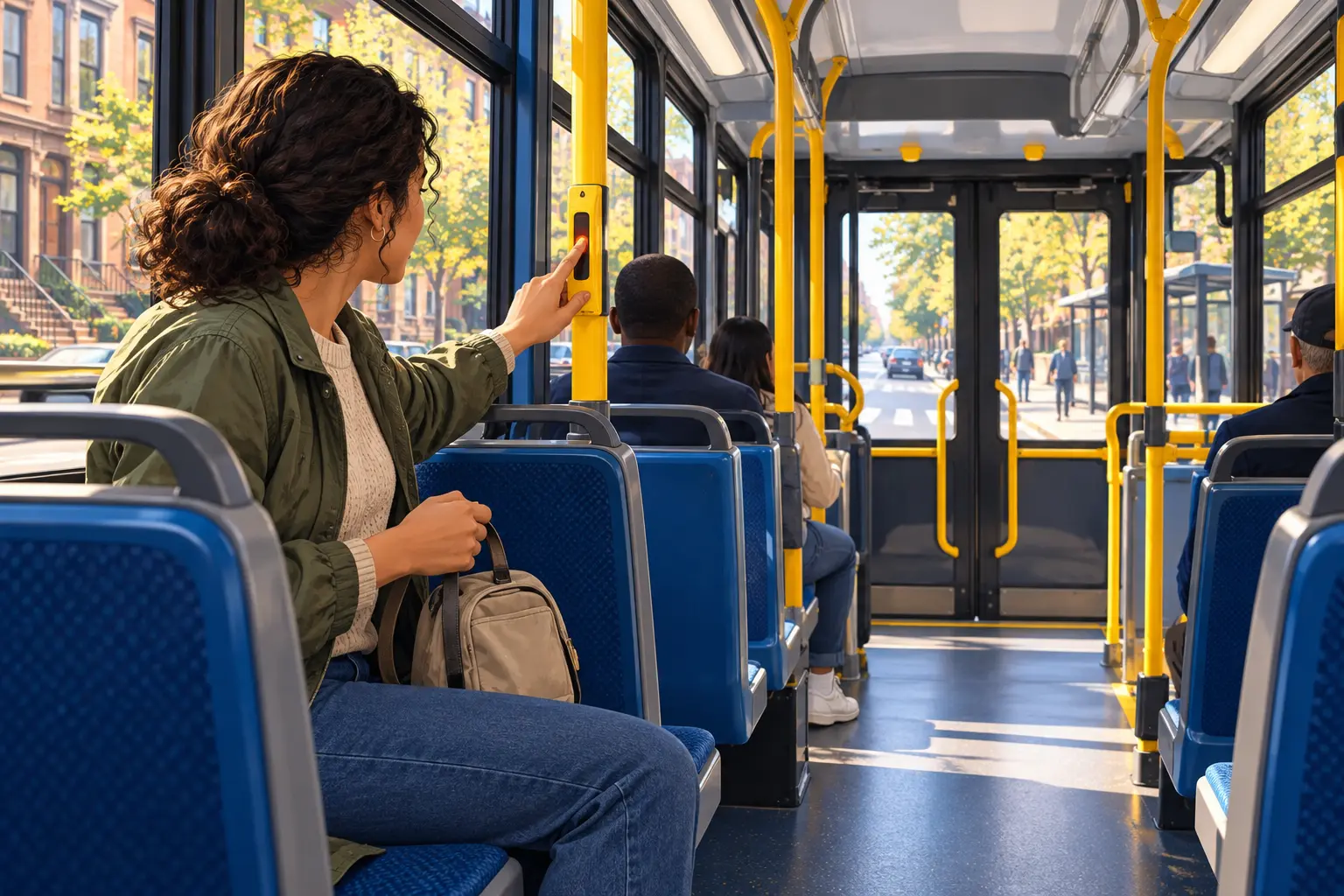
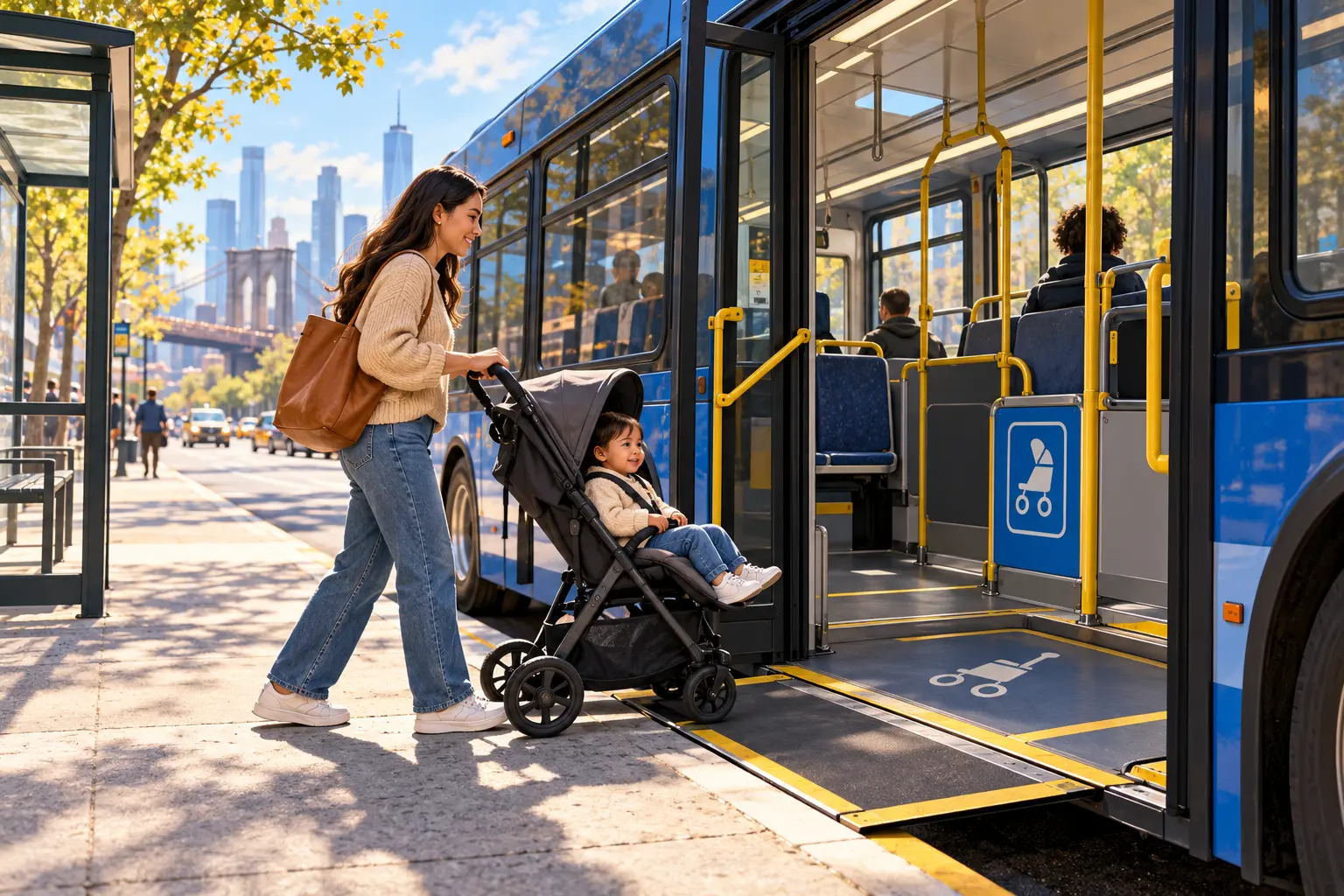
Original editorial illustration; not a photograph of Cathay operations.
A destination may be easy to reach in the afternoon but difficult to leave at night. Service frequency can fall, transfers can stop connecting, and the final trip may depart earlier than expected. Checking the return before starting the outbound journey helps a rider decide how long to stay and what to do if the plan changes.
Check the exact service day and direction
Use the transit agency's current trip planner, timetable, or official app. Select the correct weekday, Saturday, Sunday, or holiday schedule and verify the direction of travel. A last trip shown for the opposite direction does not solve the return journey.
Look for branch, destination, or short-turn notes that affect whether the final bus reaches the rider's stop. Save the route, stop, and scheduled departure information before leaving.
Plan every connection backward
For a two-bus trip, start with the last usable departure on the second route and work backward to the first route. Include the walk between stops and a reasonable transfer margin.
A final first-leg bus is not useful if it arrives after the connecting route has ended. Consider an earlier departure when the connection is infrequent or the walking link is unfamiliar.
Review alerts and real-time information
Check official service alerts before the outbound trip and again before returning. Real-time arrival information can help at the stop, but a vehicle prediction is not a replacement for understanding the published service pattern.
Choose a well-lit, accessible waiting place and keep enough phone battery for updates or a call. Do not step into the roadway to look for an approaching bus.
- Correct service day.
- Last trip in the needed direction.
- Final transfer and walking time.
- Safe backup and contact plan.
Create a backup before it is needed
Identify an earlier trip, another nearby route, a responsible contact, or another approved travel option. The backup should fit the rider's mobility, fare, and accessibility needs.
If the return plan no longer works, stay in a safe public place while arranging an alternative. Do not wait alone at a closed or unlit stop simply because it was part of the original plan.
Your next step
Explore public transit planning support
Connect with our team to discuss your needs and the available arrangements.