
Paratransit
Planning a paratransit trip with a service animal
A practical trip-day checklist for the meeting point, vehicle boarding, destination access, and return ride when traveling with a service animal.
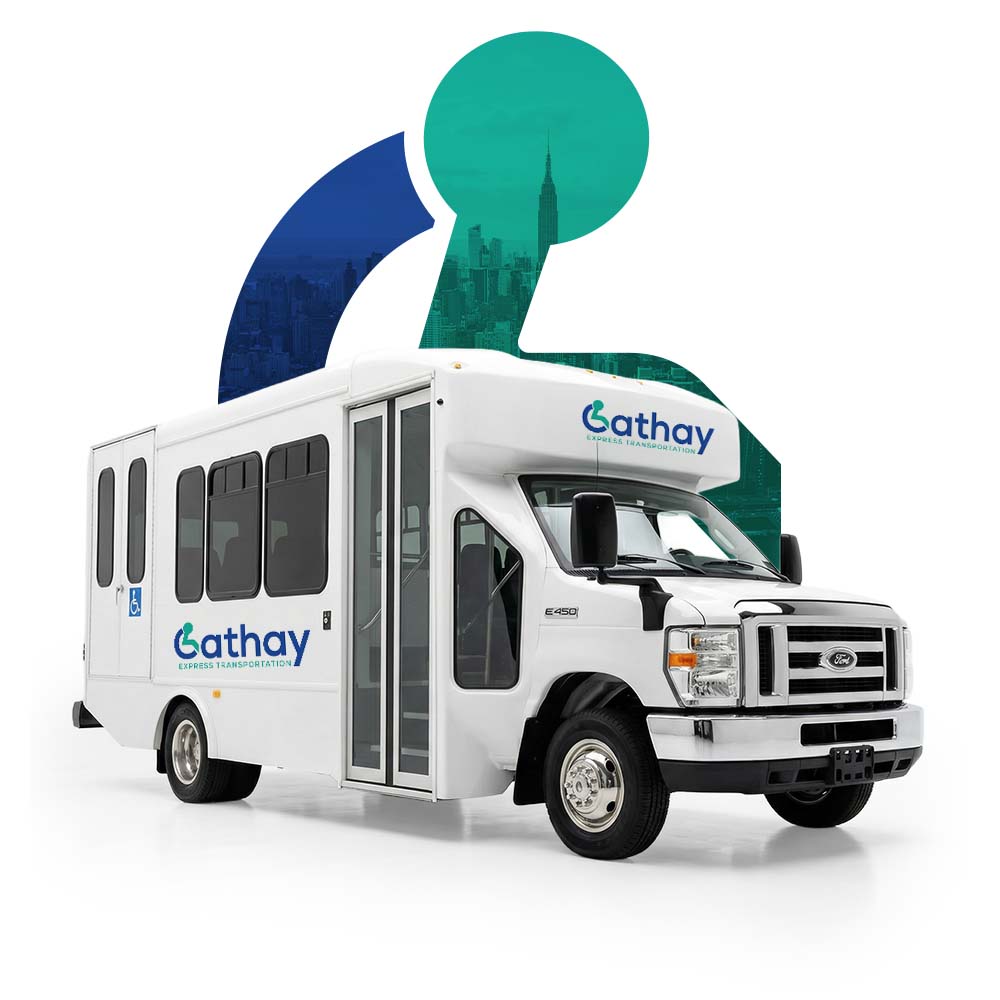
A rider who uses a service animal should be able to plan the journey with the same practical clarity as any other paratransit trip. Confirm the reservation, meeting place, destination entrance, and return ride, while keeping the animal under the handler’s control and avoiding unnecessary documentation demands.
Use the program’s reservation process
Reserve the trip through the applicable paratransit program and provide the pickup and destination details it requests. If the program asks riders to note a service animal for trip planning, provide that information through its normal channel.
Do not describe a service animal as a pet. Under the ADA, a service animal is a dog trained to perform work or tasks directly related to a person’s disability. Certification, professional training, a vest, or special identification is not required by the ADA.
Further readingADA.gov: Service Animals (opens in a new tab)Choose a clear meeting point
Confirm the exact place where the rider and vehicle will meet, especially at apartment complexes, medical campuses, shopping centers, or buildings with more than one entrance. The rider should be ready according to the program’s pickup instructions.
Keep the animal under the handler’s control. A harness, leash, or tether is generally used unless the handler cannot use one because of a disability or it would interfere with the animal’s work; in that case, another effective form of control is needed.
Further readingU.S. Department of Justice: ADA Title II Regulations, service animal provisions (opens in a new tab)Plan the vehicle space without separating the team
Follow the driver’s directions for safe boarding and the seating area. Keep the service animal positioned so aisles, doors, ramps, lifts, and vehicle controls remain clear. The handler remains responsible for the animal’s care and supervision.
Tell dispatch about other mobility equipment, a companion, or personal items that will travel. Those details help the provider understand the whole trip; they should not be treated as a reason to separate a rider from a qualified service animal.
Check the destination before travel
Identify the correct accessible entrance and ask the destination about any location-specific procedures. Hospitals and other facilities may restrict animals from limited areas where their presence would fundamentally alter the service, but service animals are generally allowed in areas open to patients or the public.
If the destination raises an access question, address it with that facility before travel when possible. The transportation provider cannot decide another organization’s building access policy at the curb.
Confirm the return trip and backup contacts
Make sure the return reservation, pickup entrance, and contact number are clear. If the appointment location moves the rider to another exit, update the transportation provider through the program’s process rather than waiting at an unconfirmed doorway.
Bring only the supplies needed to manage the animal during the journey and visit. Contact Cathay for help understanding the transportation logistics of a planned paratransit trip.
Your next step
Plan a paratransit trip
Connect with our team to discuss your needs and the available arrangements.