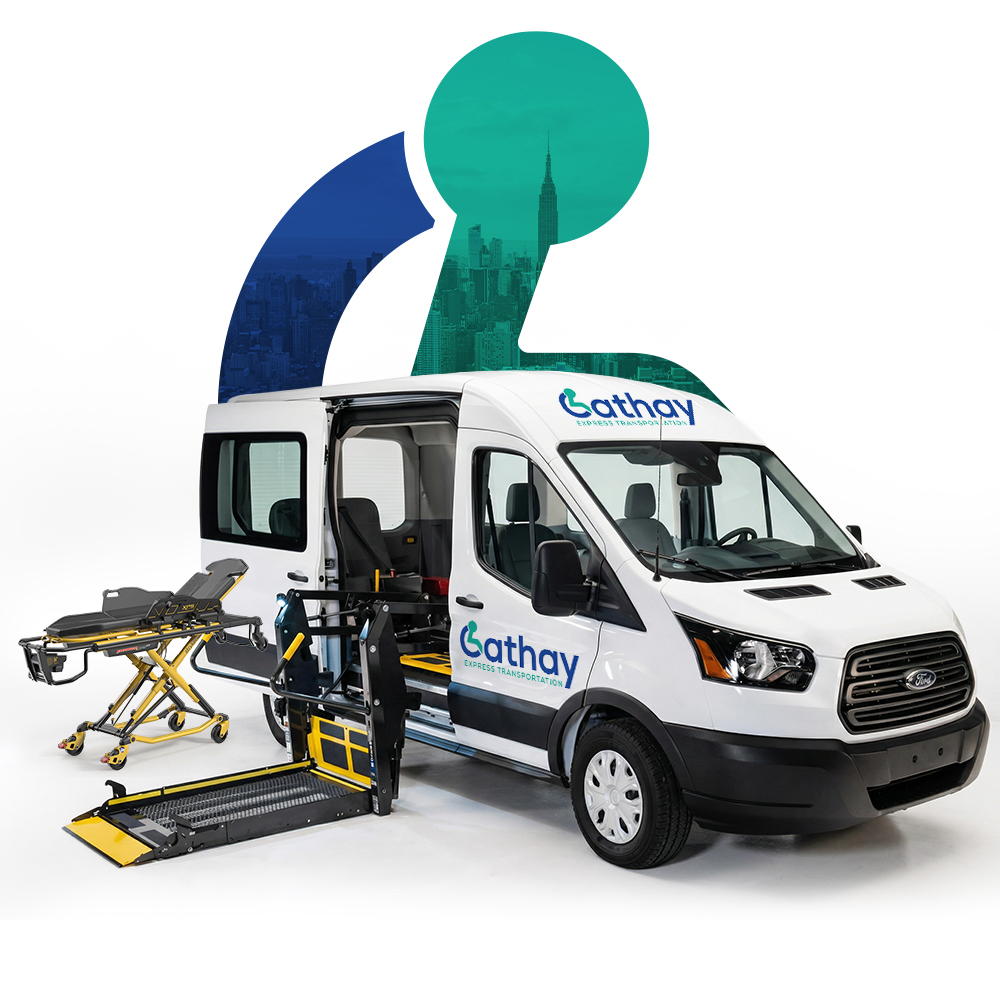
Stretcher
Keeping personal belongings organized for a non-emergency stretcher trip
Use a simple inventory and named contacts so bags, documents, and personal items have a clear plan alongside the passenger.
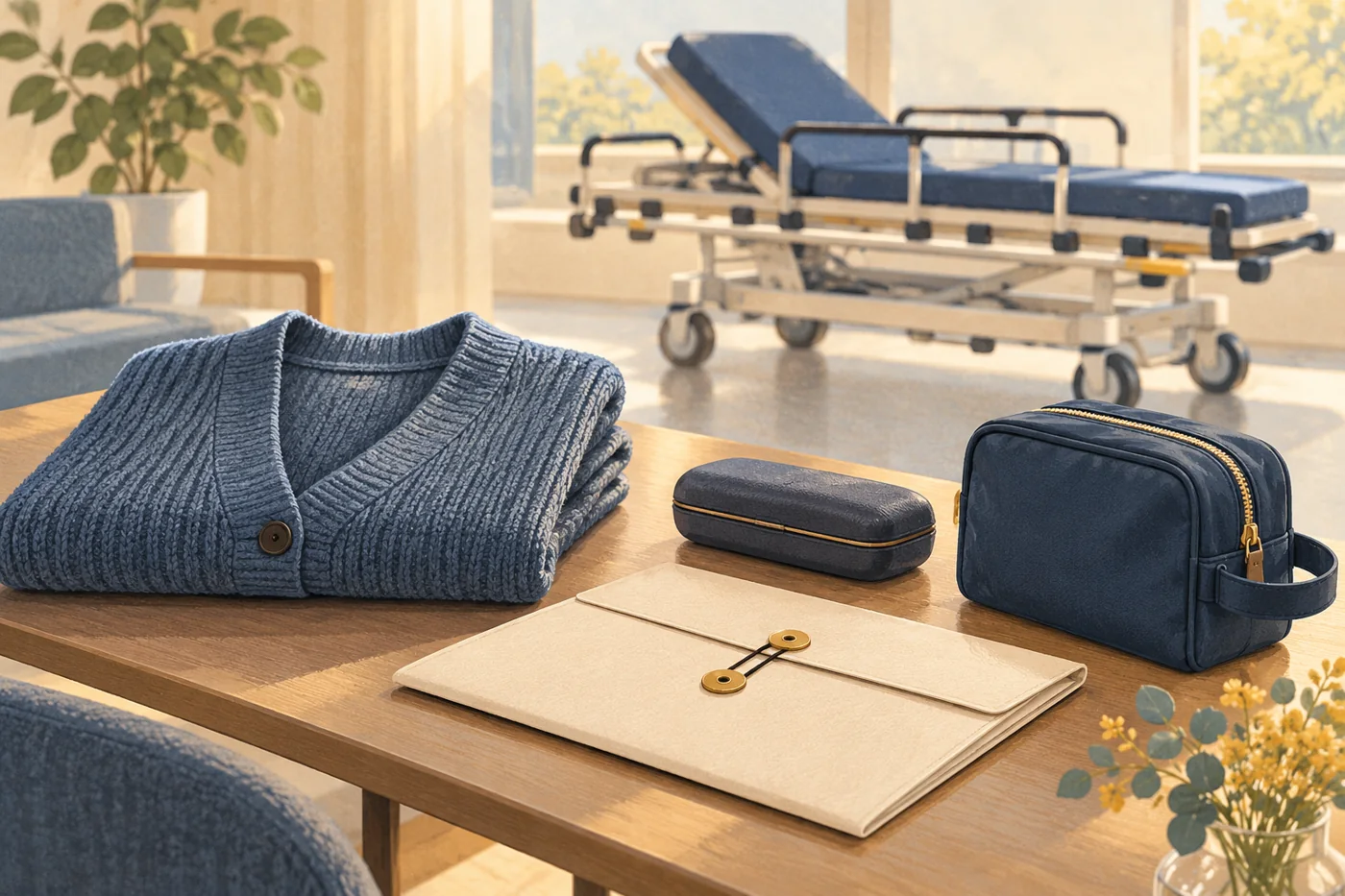
Original editorial illustration; not a photograph of Cathay operations.
When several people help prepare a non-emergency stretcher journey, belongings can become scattered between a bedside cabinet, a reception desk, and a relative's car. A short inventory makes responsibility clearer without adding another complicated form. Plan the movement of personal items alongside the trip, while leaving clinical readiness, transport suitability, and care instructions to the responsible professionals.
Separate travel logistics from clinical instructions
Ask the sending team which documents need to reach the receiving team and how they should be handled. Keep that professional handoff separate from the family's ordinary packing list. A transport booking alone does not confirm that clinical paperwork is complete or that the receiving location is ready.
If medicines, medical equipment, or care supplies need to travel, have the care team and provider agree on the arrangement. Do not assume that a bag labeled medical can be loaded or managed without discussion. This guide concerns non-emergency logistics and does not provide treatment or equipment-use instructions.
Make the inventory small enough to use
List containers first: one zipped overnight bag, one glasses case, one labeled envelope. Add distinctive items that might otherwise be left behind, such as a phone charger or hearing-aid case. The purpose is to check that the agreed belongings arrive, not to create an unnecessarily detailed record of private possessions.
Choose one family or facility contact to keep the list current. If a relative removes valuables or takes a bag separately, update the record before departure so the receiving person does not report that same item missing.
- Item or container description.
- Who will carry it.
- Who should receive it.
- Any separately confirmed handling arrangement.
Confirm space and responsibility in advance
Tell the transportation office the number and size of bags and identify anything unusually bulky. Ask which items can accompany the passenger and which need another arrangement. Furniture, boxed equipment, or several suitcases should not appear for the first time when the transport team reaches the room.
Ask where the agreed belongings should be staged and who will hand them over. Keep the access route available and follow the team's instructions. Do not attach bags to the stretcher or other transport equipment on your own.
Close the list at the destination
Give the receiving contact the inventory through the agreed channel. At arrival, have the responsible person compare the containers received with the list and identify anything arriving separately. Record an unresolved discrepancy while the journey details are still available.
If something is missing, first check with the sending contact and anyone carrying items independently. Then give the transport office the trip reference and a clear description. Avoid including sensitive clinical information in a general lost-property request when it is not needed to locate the item.
Your next step
Discuss the logistics of a non-emergency stretcher journey
Connect with our team to discuss your needs and the available arrangements.