Transit system planning
Seasonal ridership can change the question a transit study asks
Separate recurring seasonal patterns from one-time events before adjusting routes, schedules, or operating resources.

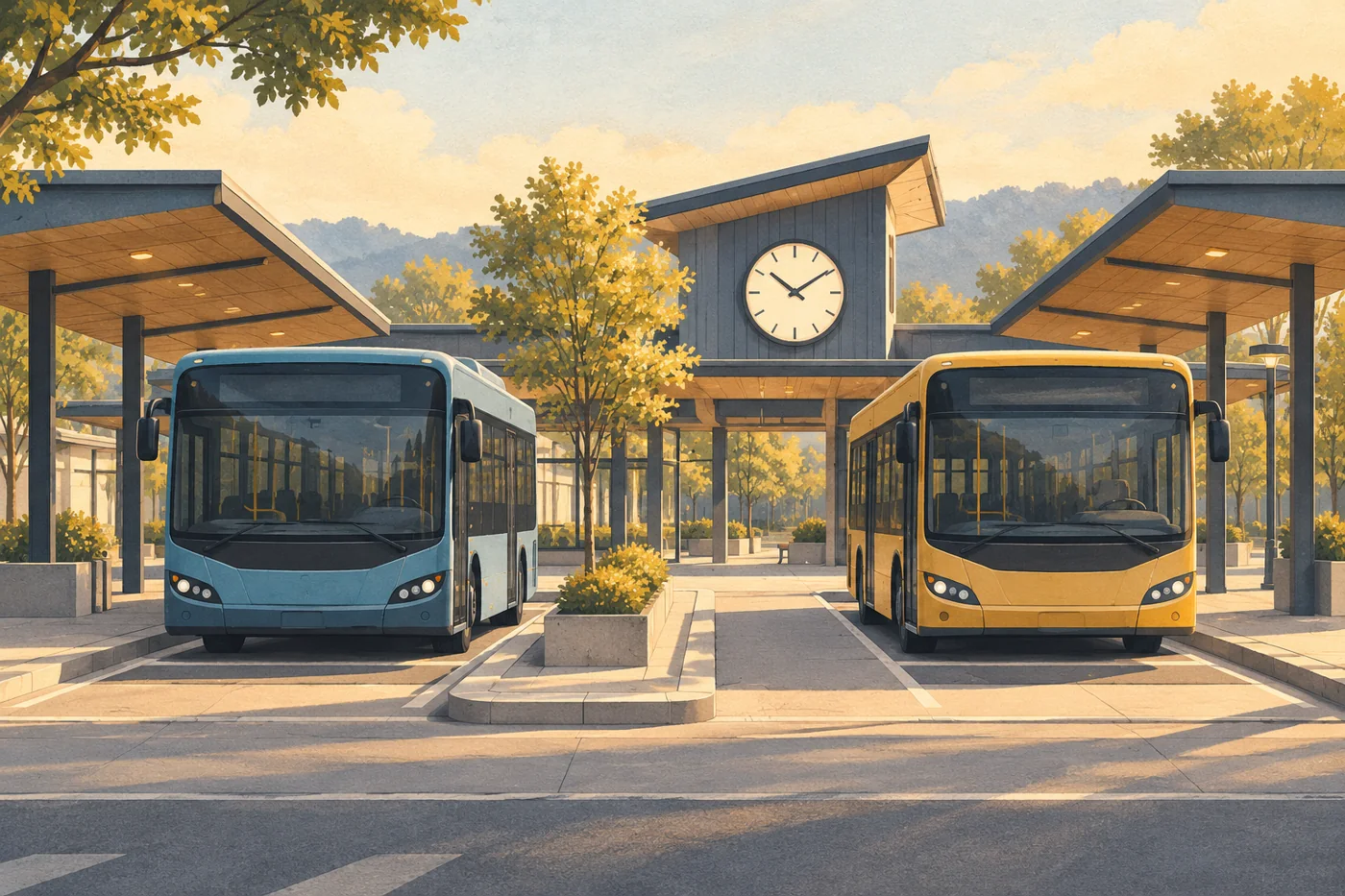
Original editorial illustration; not a photograph of Cathay operations.
A ridership increase in summer or decline during a school break may be real without representing a permanent change in travel demand. Transit planners need to compare like periods, understand which trip purposes changed, and account for unusual events. Seasonal analysis can help an agency decide whether the response belongs in a temporary schedule, targeted information, or a longer-term service proposal.
Define the season and the planning decision
State which months, service periods, or community events are being studied and what decision the analysis is meant to inform. A broad label such as summer may combine school vacation, tourism, construction, and special-event travel.
Keep temporary operating adjustments separate from permanent network decisions. The data needed to add seasonal trips may differ from the evidence required to redesign a year-round route.
Compare equivalent periods
Compare the same months across multiple years where usable data exists, and align weekdays, weekends, and holidays. Note service changes, fare programs, disruptions, and data-system changes that affect comparability.
Validate passenger counts and automated records before interpreting them. Missing data should be identified, not silently treated as zero ridership. Document any method used to estimate incomplete periods.
Connect totals to actual journeys
Break the pattern down by route, direction, time of day, stop area, and available rider information. A systemwide increase can conceal a capacity problem on one corridor and little change elsewhere.
Consult operating staff and riders to understand likely causes, then test those explanations against the data. A nearby festival may explain one weekend without explaining a three-month trend.
- Comparable dates and service levels.
- Route, direction, and time-of-day pattern.
- Known disruptions or special events.
- Temporary and long-term response options.
Design a measurable seasonal response
If the evidence supports a trial, define the service period, resource requirement, passenger information plan, and measures before launch. Include effects on vehicle availability and other routes.
After the season, compare the outcome with the baseline and record what should be repeated, changed, or discontinued. A documented review prevents each year's planning from starting with the same unanswered questions.
Your next step
Discuss seasonal demand and transit service planning
Connect with our team to discuss your needs and the available arrangements.