
Stretcher
Before a home stretcher trip, check the route from room to vehicle
A room-by-room access review can identify doors, turns, stairs, elevators, and receiving details before planned non-emergency stretcher transportation.
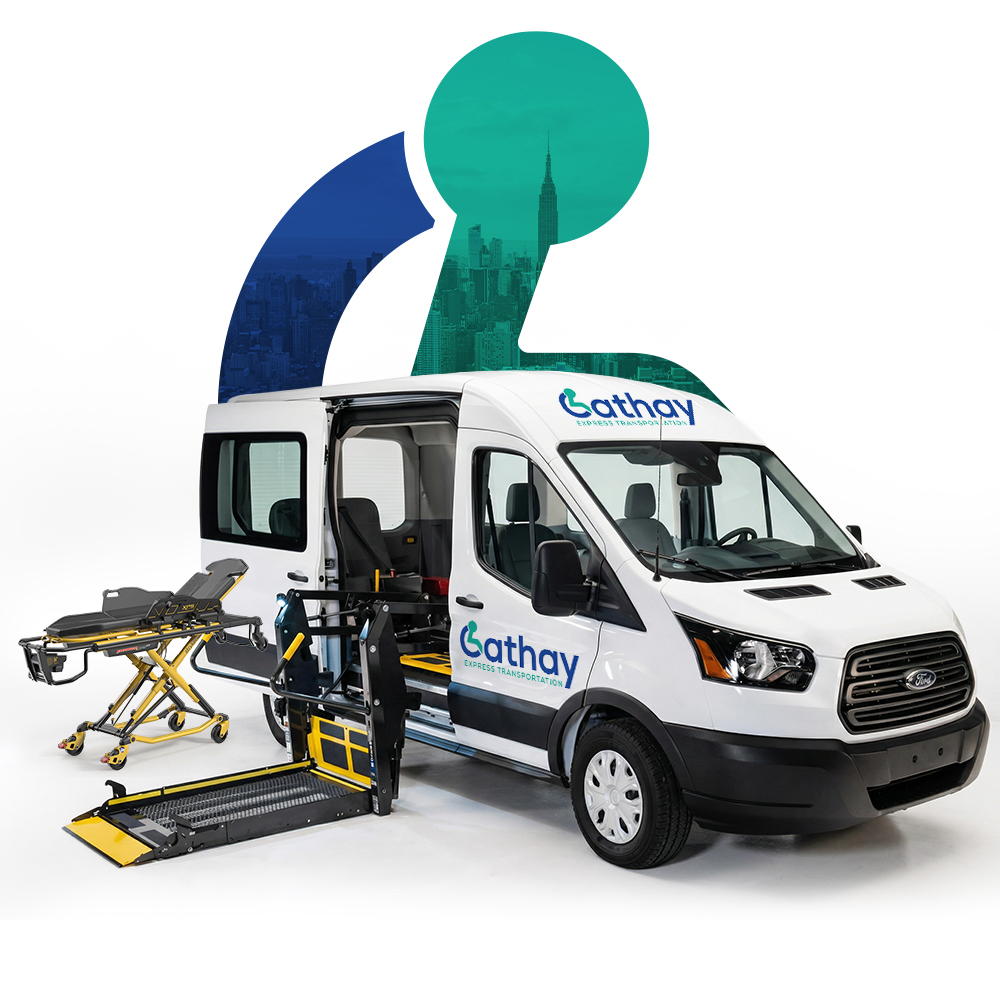
For a planned stretcher trip, the hardest part may be the short distance between the passenger’s room and the vehicle. A home address alone does not describe narrow turns, stairs, elevators, or a building’s access rules. Review the entire route early and give the transportation provider accurate details.
Walk the path in the direction the crew will use
Start at the passenger’s room and trace the expected path through hallways, doorways, the building exit, and the vehicle meeting point. Note tight turns, changes in level, low ceilings, loose rugs, and furniture that reduces clear space.
Do not estimate access from memory if someone can safely inspect it. A route that works for a walking visitor may not work for stretcher movement. Share measurements or photographs only through an approved process and only when the provider requests them.
Identify every stair, elevator, and locked door
Report the number and location of steps, whether there are landings or turns, and whether an elevator serves the correct floor. Include the building entrance used for moves, not merely the front door shown on a map.
Ask the building manager about reservations, protective padding, elevator keys, loading areas, or time restrictions. If an elevator is unavailable, tell dispatch promptly. Do not assume a crew can substitute a staircase or another route without reviewing safety and staffing requirements.
Clear ordinary obstacles without improvising equipment
Arrange for household items, pets, and unnecessary foot traffic to be out of the planned path. Keep the passenger’s essential travel items together and identify who is responsible for locking the home after departure.
Families should not move the passenger, modify a stretcher, or construct a temporary ramp for the trip. The transportation provider must assess the access route and determine whether the requested non-emergency movement can be performed within its procedures.
Coordinate the passenger’s readiness separately
Confirm with the treating or discharging team when the passenger will be medically ready for scheduled non-emergency transportation and what approved documents or personal equipment must accompany them. Transportation planning does not replace clinical clearance.
If the passenger develops an emergency condition, call 911. Scheduled stretcher transportation is not emergency response, and a transportation crew should not be asked to make a medical determination that belongs to qualified clinicians or emergency services.
Give both ends of the trip equal attention
Review the destination route with the same care: correct entrance, floor, room or unit, receiving contact, elevator access, and expected handoff. A detailed home pickup plan is incomplete if no one is ready to receive the passenger.
Read the complete plan back to dispatch and update it if the building or passenger location changes. Contact Cathay to discuss a planned non-emergency stretcher trip and the access conditions at both ends.
Your next step
Review a home stretcher route
Connect with our team to discuss your needs and the available arrangements.