Operations & management
A daily spare-vehicle assignment log that dispatch can actually use
Track which spare replaced which scheduled vehicle, why the change occurred, when it happened, and who must close the record.

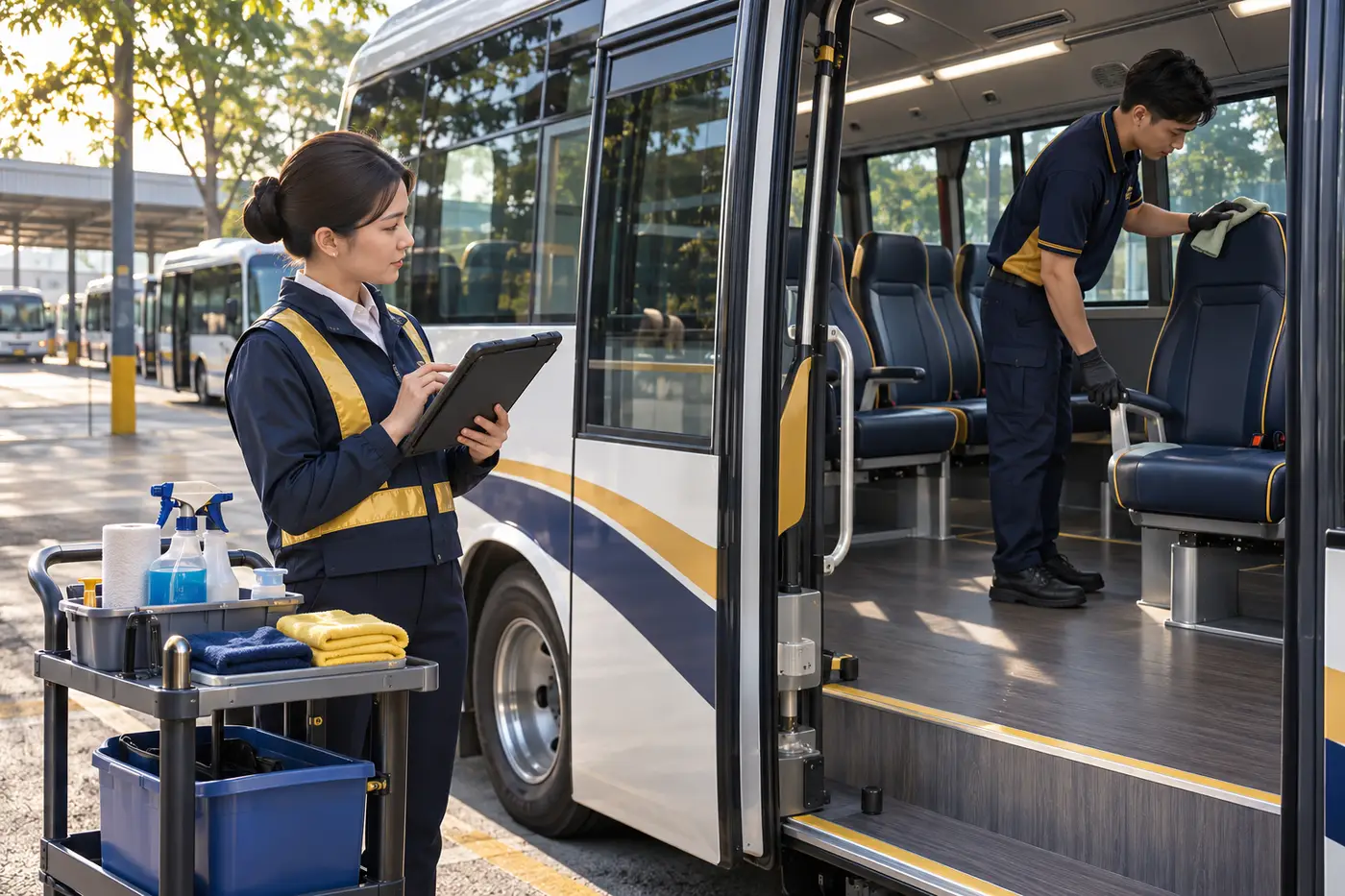
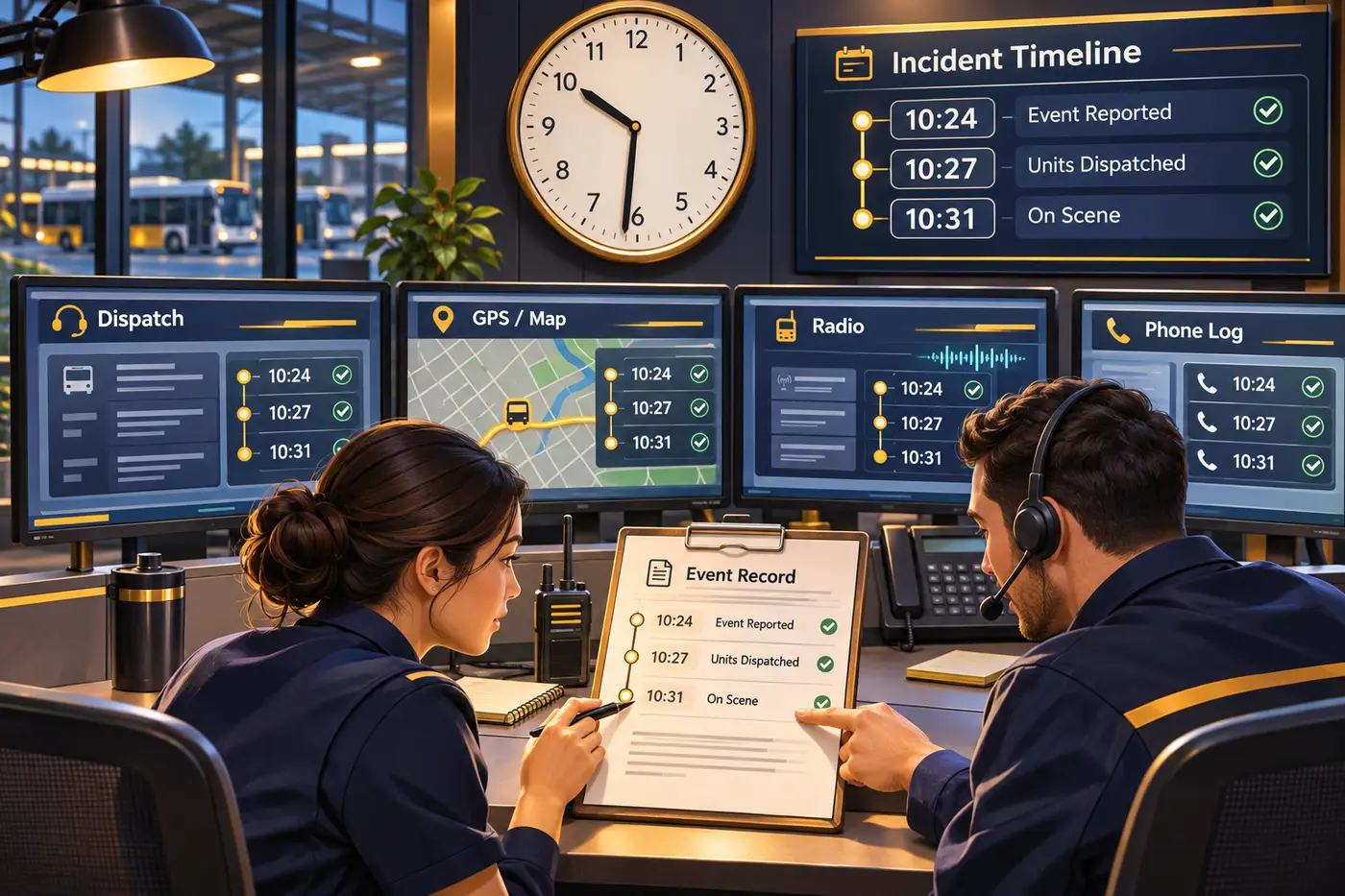
Original editorial illustration; not a photograph of Cathay operations.
A spare vehicle solves an immediate coverage problem, but an undocumented swap creates new ones: the wrong vehicle may appear on a route sheet, maintenance may lose track of a defect, and the next shift may not know which unit should return. A short assignment log connects dispatch, drivers, and maintenance.
Give every swap one record
Record the scheduled vehicle, replacement vehicle, route or work assignment, driver, date, and effective time. Use the same unit identifiers that appear in dispatch and maintenance systems.
Include a concise reason code such as inspection hold, mechanical defect, collision review, cleaning, fuel, or planned maintenance. Keep sensitive narrative in the appropriate system rather than crowding the dispatch log.
Confirm that the spare fits the work
Before release, verify that the replacement matches the assignment's capacity, accessibility equipment, required documents, communications equipment, and any contract-specific configuration. A vehicle that is available is not automatically suitable.
Update the driver-facing route sheet or electronic assignment so the unit number is consistent at pullout, at facilities, and during customer calls.
Create a clean handoff to maintenance
Identify where the scheduled vehicle is parked, its status, and the person or team responsible for the next action. Attach or reference the defect report when one exists.
At shift change, highlight swaps that remain open. The incoming dispatcher should be able to distinguish an active replacement from a vehicle that has already returned to service.
- Original unit, spare unit, driver, and assignment.
- Swap time, reason code, and authorizing supervisor.
- Suitability check and driver notification.
- Maintenance location, owner, and closure time.
Close the loop at the end of the day
Record when the spare was returned and whether the original unit was released, held, or reassigned. Cathay Express Transportation's operations and management work emphasizes records that support the next decision, not paperwork that ends at the first dispatch action.
Your next step
Strengthen daily fleet control
Connect with our team to discuss your needs and the available arrangements.