
Public transit
Before boarding, confirm the bus is going to your destination
Route numbers can have branches, short turns, directions, and destination signs that change which bus serves the full trip.
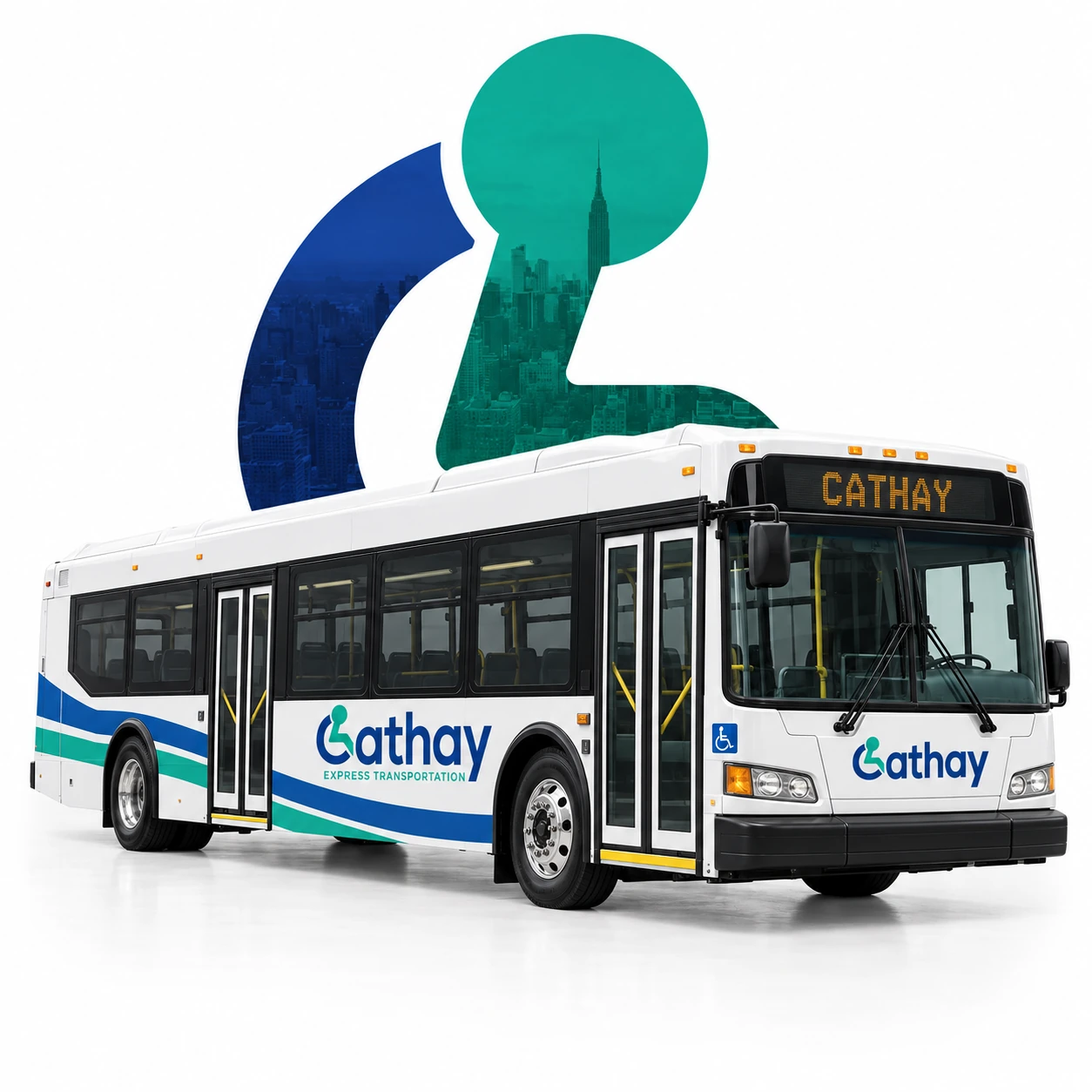
Seeing the correct route number is not always enough. Two buses on the same route may travel in opposite directions, follow different branches, or end at different terminals. A quick check of the stop, destination sign, and trip plan can prevent a ride in the wrong direction.
Verify the stop before the bus arrives
Check the stop name or ID, street corner, travel direction, and route list using the transit agency’s official information. A stop across the road may serve the opposite direction even when the route number is identical.
Look for temporary signs or service alerts that move boarding to another corner. If the stop information conflicts with the trip planner, use the agency’s current customer information or ask for help.
Read the destination sign from beginning to end
Confirm the route number and the destination, terminal, branch, or special service shown on the approaching bus. A familiar route number with a different destination may turn before the rider’s stop or follow another branch.
Do not board solely because other passengers are getting on. Compare the destination sign with the planned trip and ask the operator a short, specific question if needed.
Ask whether the bus reaches the needed stop
Name the destination stop or major landmark rather than asking only whether the bus goes “downtown” or “uptown.” The operator can answer more clearly when the rider identifies a specific stop.
Board promptly after receiving the answer and follow fare and mobility-device instructions. Keep aisles, doors, ramps, lifts, and operator sight lines clear.
Track progress without relying on one cue
Use stop announcements, displays, landmarks, the agency app, or a travel companion as appropriate. FTA regulations require fixed-route transit providers to announce major stops, transfer points, and enough intervals to orient riders with visual impairments and other disabilities.
If the rider is uncertain, ask before passing the expected stop. Do not step into the roadway or approach the operator while the bus is moving.
Further readingFederal Transit Administration: Stop Announcement Requirements (opens in a new tab)Repeat the check for every transfer
A correct first bus does not guarantee the connecting bus is correct. At each transfer, verify the stop, direction, route, destination sign, and service alert again.
Plan the return as a separate trip because boarding locations and destination signs may differ. Contact Cathay to discuss passenger information and operations support for public transit service.
Your next step
Discuss public transit operations
Connect with our team to discuss your needs and the available arrangements.