
Stretcher
Requesting a stretcher transportation quote: compare the same trip
The trip details to gather before asking about a planned non-emergency stretcher transfer, and the questions that clarify what an estimate includes.
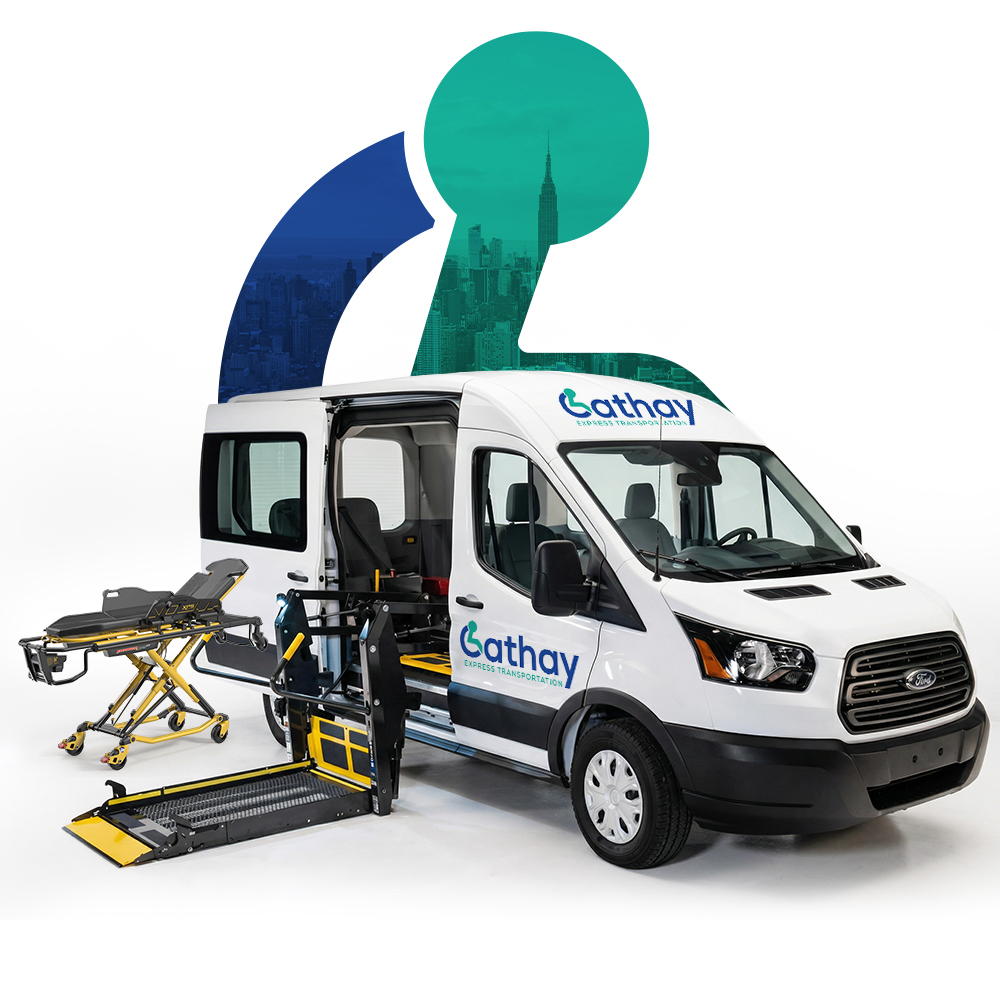
Two transportation estimates are only useful to compare when they describe the same journey and service needs. For a planned stretcher transfer, the addresses alone may leave important details unresolved. Gather the care team’s transportation requirements and the access information first, then ask for a clear explanation of the proposed arrangement.
Establish the appropriate service before comparing prices
Ask the responsible clinical team which transportation level is appropriate. A non-emergency stretcher trip and an ambulance service are not interchangeable choices based on price. If clinical support is required, the care team needs to identify it before the transportation arrangement is confirmed.
This guide covers planning questions, not a determination of medical suitability. If the person’s condition or support needs change, return to the responsible care team and notify dispatch. In an emergency, call 911.
Describe both locations in enough detail
Provide the complete pickup and destination addresses, building entrances, floors, and the people coordinating access. Mention known steps, elevator arrangements, and other access questions for the provider to assess. Do not assume an estimate covers an access problem that has not been disclosed.
Identify whether the trip is one-way or includes a later return. For an appointment trip, explain whether the return time is known or depends on the visit. Ask how the provider handles that uncertainty rather than assuming the vehicle will remain on site.
Ask what the estimate includes
Request an explanation of the service being proposed, the planned crew and equipment, and the information on which the estimate depends. Ask whether waiting, additional stops, changed times, or revised access arrangements could change the quoted amount.
Keep the written response with the trip details. If two estimates differ, compare the assumptions before treating one as a lower price for an identical service. A price provided before all access and assistance requirements are reviewed may still need confirmation.
Keep payment and coverage questions separate
Confirm who is responsible for payment and whether any authorization is required before booking. If an insurer, facility, or transportation program is involved, ask that organization to explain its requirements. Do not assume that a provider’s estimate establishes coverage or approval.
Medicare’s discharge planning checklist encourages patients and caregivers to discuss the arrangements needed after a facility stay. Use it to prepare questions for the discharge team, while confirming the transportation and payment details for the actual trip.
Further readingMedicare: Your discharge planning checklist (opens in a new tab)Know when the trip becomes confirmed
Ask which details must be settled before dispatch confirms the booking. Record the agreed cancellation or change process, the contact number for the day, and any remaining information the facility must provide.
A clear estimate helps a family understand the proposed service without hiding unresolved questions. Contact Cathay with the care team’s transportation requirements and the full journey details to discuss a planned non-emergency stretcher transfer.
Your next step
Discuss a planned stretcher transportation request
Connect with our team to discuss your needs and the available arrangements.